Herbal Supplement Powders: Traditional Botanical Powders
Powdered herbs are the most traditional form of herbal supplementation — the same format used in Ayurvedic and Himalayan households for generations. A powder gives you full flexibility: stir it into water, blend it into a smoothie, or use it in a classic preparation like Golden Milk or Triphala water.
Frequently Asked Questions
Got questions? We've got answers.
How much herbal powder should I take per day?⌄
Recommended serving size varies by herb — check the product label for guidance, typically starting with a smaller amount (such as 1/4 to 1/2 teaspoon) and adjusting from there.
What's the best way to mix herbal powders?⌄
Most powders mix well into warm water, milk, or a smoothie. Stronger-tasting or bitter powders are often masked better in a smoothie with fruit than in plain water.
Why is black pepper added to turmeric powder preparations?⌄
Black pepper contains piperine, a compound traditionally believed to help the body absorb turmeric's curcumin more effectively.
Can I cook with these herbal powders?⌄
Yes — powders like Turmeric, Ginger and Fenugreek are traditional kitchen spices as well as wellness herbs, so they can go directly into cooking.
How should I store herbal powders?⌄
Keep powders in a sealed, airtight container away from direct light and moisture. Humidity is the biggest risk to both flavor and potency.
How long do herbal powders stay fresh?⌄
Most herbal powders stay potent for 12–24 months when stored properly, though this varies by herb — check the product's best-by date.
Are powders more potent than capsules?⌄
Not necessarily — powders and capsules of the same herb usually come from the same base material. Powders simply let you control the exact amount yourself.
Can I take herbal powder on an empty stomach?⌄
This depends on the herb — some, like Triphala, are traditionally taken in the evening on a fairly empty stomach, while others are better taken with food. Check specific product guidance.
Is it normal for herbal powders to taste bitter?⌄
Yes, many traditional herbs (like Triphala, Kutki or Neem) are naturally bitter — this is expected and often considered part of their traditional use, though mixing with honey or a smoothie can help.
Can I use herbal powder in baking?⌄
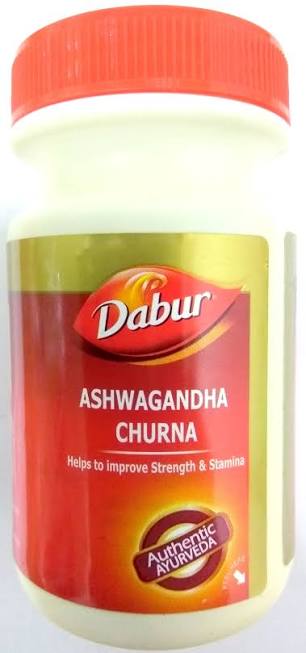
Some powders, like Ginger or Turmeric, work well in baking; others (like Ashwagandha) are more commonly used in drinks. Check individual recipes and product guidance.
Are herbal powders suitable for smoothies?⌄
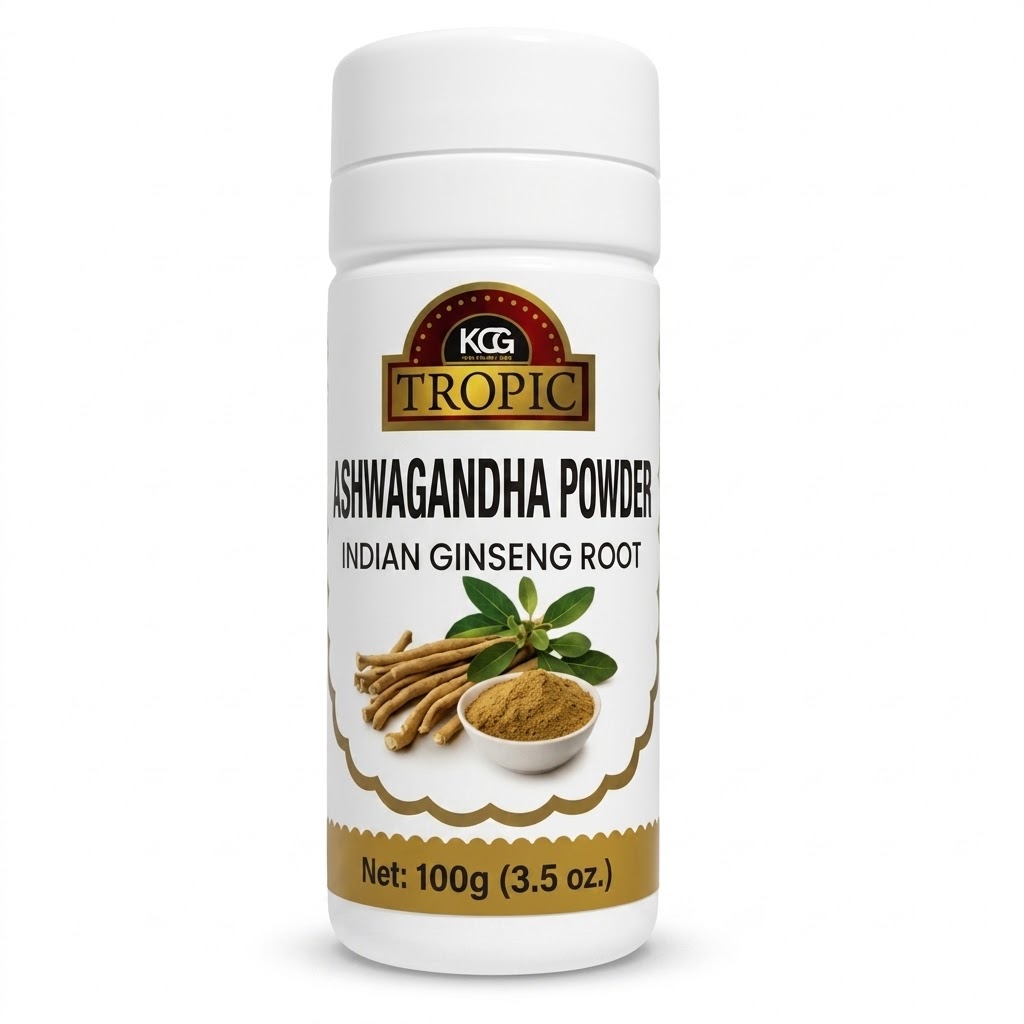
Yes — powders blend easily into smoothies and are one of the most popular ways to take herbs like Maca Root, Moringa and Ashwagandha.
Do herbal powders need refrigeration?⌄
Most herbal powders don't require refrigeration and are best kept in a cool, dry pantry — check the specific product label.
Is herbal powder the same as ground spice from the supermarket?⌄
Sourcing, potency and purity can vary significantly — our herbal powders are sourced and processed specifically for wellness use, with sourcing details listed per product.
Can I use these powders during pregnancy?⌄
Several powders, including Ashwagandha and Fenugreek in concentrated amounts, are not recommended during pregnancy. Always check with a healthcare professional.
What's the difference between Triphala powder and Triphala capsules?⌄
Both contain the same traditional blend of Amla, Haritaki and Bibhitaki — the powder form is traditionally mixed with warm water, while capsules offer a tasteless, pre-measured alternative.